
"eight regions"
2000 article(s) found

Introduction of eight different producing areas of coffee beans in Guatemala
The Ekatlago Valley is 2000 meters (6500 feet) above sea level, with dense shade and unique ecology. The nearby Fuego volcano erupts, making its coarse, sandy soil rich in a variety of minerals. Temperate sea breezes from the Pacific and a seasonal climate allow coffee in this region to be dried by sunlight and processed according to traditional family methods that have been accumulated over the years. [special]

Characteristics of Coffee in eight producing areas of Guatemala
Photo / compilation: Huang Wei copyright Guatemala is a famous high-quality Arabica coffee producer in Central America. Coffee from five volcanic and three non-volcanic producing areas is very unique and enjoys a high reputation in the international market. Mr. EduardoAmbrocio of the Guatemalan Coffee Company introduced Guatemalan coffee to the audience at the SCAA Houston show in April 2010. Thank you, Ambroci.
Characteristics and attributes of coffee from eight major producing areas of Guatemala
The Ekatlago Valley is 2000 meters (6500 feet) above sea level, with dense shade and unique ecology. The nearby Fuego volcano erupts, making its coarse, sandy soil rich in a variety of minerals. Temperate sea breezes from the Pacific and a seasonal climate allow coffee in this region to be dried by sunlight and processed according to traditional family methods that have been accumulated over the years. [characteristics]
Common sense of Coffee characteristics of Coffee in eight producing areas of Guatemala
The Ekatra Valley rises to 2000 meters (6500 feet), with dense shade and unique ecology, and the nearby Fuego volcano erupts, making its coarse, sandy soil rich in a variety of minerals. Temperate sea breezes from the Pacific and a seasonal climate allow coffee in this region to be dried by sunlight and processed according to traditional family methods that have been accumulated over the years. [characteristics]
Characteristics and attributes of coffee from eight major producing areas in Guatemala Guatemala
The Ekatlago Valley is 2000 meters (6500 feet) above sea level, with dense shade and unique ecology. The nearby Fuego volcano erupts, making its coarse, sandy soil rich in a variety of minerals. Temperate sea breezes from the Pacific and a seasonal climate allow coffee in this region to be dried by sunlight and processed according to traditional family methods that have been accumulated over the years. [characteristics]

Coffee bean flavor characteristic attributes of coffee in eight major producing areas of Guatemala
The Ekatra Valley rises to 2000 meters (6500 feet), with dense shade and unique ecology, and the nearby Fuego volcano erupts, making its coarse, sandy soil rich in a variety of minerals. Temperate sea breezes from the Pacific and a seasonal climate allow coffee in this region to be dried by sunlight and processed according to traditional family methods that have been accumulated over the years. [characteristics]
General knowledge of Fine Coffee beans characteristics of Coffee in eight producing areas of Guatemala
The Ekatra Valley rises to 2000 meters (6500 feet), with dense shade and unique ecology, and the nearby Fuego volcano erupts, making its coarse, sandy soil rich in a variety of minerals. Temperate sea breezes from the Pacific and a seasonal climate allow coffee in this region to be dried by sunlight and processed according to traditional family methods that have been accumulated over the years. [characteristics]

Guatemala coffee eight producing areas estate Latissa estate boutique coffee beans
Coffee in this area has been grown exclusively by small farmers since the 1950s, and today every farmer in the mountains is a coffee-producing unit. This region, once the most remote and poorest in Guatemala, is now showing signs of life. Rainy, cloudy, New Oriental ancient times is a volcanic area, soil volcanic metamorphic evolution, rich in minerals, nutrition balance,

Guatemala coffee eight producing areas estate introduction boutique coffee Latissa estate
Traditional Atitln? Atitlan is one of the five largest volcanic coffee producing areas in Guatemala, and its soil organic matter is the richest of the five volcanic coffee producing areas. 90% of traditional Atitlan coffee is grown on the slopes of the intensely burning lake shore of Atitlan. The daily breeze stirring the lake is an important factor affecting the microclimate environment of the area.

How to drink Guatemalan coffee beans with different characteristics of coffee in eight producing areas of Guatemala
The Ekatlago Valley is 2000 meters (6500 feet) above sea level, with dense shade and unique ecology. The nearby Fuego volcano erupts, making its coarse, sandy soil rich in a variety of minerals. Temperate sea breezes from the Pacific and a seasonal climate allow coffee in this region to be dried by sunlight and processed according to traditional family methods that have been accumulated over the years. [characteristics]
Characteristics and attributes of coffee from eight major producing areas of high-quality coffee beans in Guatemala
The Ekatra Valley rises to 2000 meters (6500 feet), with dense shade and unique ecology, and the nearby Fuego volcano erupts, making its coarse, sandy soil rich in a variety of minerals. Temperate sea breezes from the Pacific and a seasonal climate allow coffee in this region to be dried by sunlight and processed according to traditional family methods that have been accumulated over the years. [characteristics]
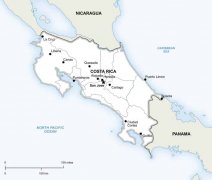
Flavor and taste characteristics of eight coffee growing areas in Costa Rica how to make good coffee beans in Monster Manor
All eight coffee growing areas in Costa Rica have ideal conditions for growing Arabica coffee trees. Most of the more than 50000 small farms are located in the mountains, enjoying volcanic soil, perfect climatic conditions and a long period of maturity. When buying Costa Rican coffee, please check the grower information on the label. Beans can come from several large producing areas on the map: Centra

Eight coffee producing areas in Guatemala
For more information on coffee beans, please follow the Coffee Workshop (official Wechat account cafe_style) [introduction] the Ekatlum Valley rises to 2000 meters (6500 feet) with dense shade and unique ecology. The eruption of the nearby Fuego volcano has made its coarse, sandy soil rich in various minerals. Temperate sea breezes from the Pacific and distinct seasons
Common sense of coffee beans in eight major producing areas of Guatemala
Guatemala is a famous producer of high-quality Arabica coffee in Central America. Coffee from five volcanic and three non-volcanic producing areas is very unique and enjoys a high reputation in the international market. Photo / compilation: Huang Wei copyright Guatemala is a famous premium Arabica coffee producer in Central America. Coffee from five volcanic and three non-volcanic producing areas is very unique in the international market.

Characteristics of Coffee from Eight Major Producing Areas in Guatemala
Photograph/Compilation: Huang Wei Copyright Guatemala is a famous high-quality Arabica coffee producing country in Central America. The coffee from five volcanic producing areas and three non-volcanic producing areas is very unique and enjoys a high reputation in the international market. Eduardo Ambrocio of Guatemala Coffee introduced Guatemala coffee to the audience at SCAA Houston in April 2010. Thank you very much.
Introduction of boutique coffee manor: a detailed introduction of the characteristics and attributes of coffee in the eight major producing areas of Guatemala
The Ekatlago Valley is 2000 meters (6500 feet) above sea level, with dense shade and unique ecology. The nearby Fuego volcano erupts, making its coarse, sandy soil rich in a variety of minerals. Temperate sea breezes from the Pacific and a seasonal climate allow coffee in this region to be dried by sunlight and processed according to traditional family methods that have been accumulated over the years. [characteristics]

Introduction to boutique coffee manor: a detailed introduction to the characteristics and attributes of coffee in the eight major producing areas of Guatemala
The Guatemala Ekatran Valley in Guatemala is 2000 meters (6500 feet) above sea level, with dense shade and unique ecology. The nearby Fuego volcano erupts, making its coarse, sandy soil rich in a variety of minerals. Temperate sea breezes from the Pacific Ocean and a seasonal climate make coffee in this region dependent on sunlight drying for many years.
San Marco has the hottest climate among the eight major coffee producing areas in Guatemala.
Volcano San Marco Volcanic San Marcos: volcano San Marco Volcanic San Marcos: San Marco has the hottest climate of the eight largest coffee producing areas in Guatemala, with a maximum rainfall of 200inches (5000 mm). The rainy season is earlier than in other areas, and coffee trees bloom earlier. Like other remote areas of Guatemala, the volcano San Marco coffee is grown by small farmers.
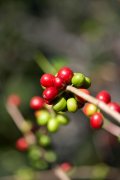
Boutique coffee San Marco is the hottest of the eight coffee producing areas in Guatemala.
San Marco volcano San Marco has the hottest climate of the eight major coffee producing regions in Guatemala, with a maximum rainfall of 200inches (5000 mm). The rainy season is earlier than in other areas, and coffee trees bloom earlier. Like other remote areas of Guatemala, volcanic San Marco coffee is grown and processed by small farmers. Due to the frequent rainfall in the rainy season, most coffees are dried in the sun before using Guar

Poas Boaz is a volcanic region in central Costa Rica at an altitude of 1,200 to 1,600 meters.
Professional coffee knowledge exchange More coffee bean information Please pay attention to coffee workshop (Weixin Official Accounts cafe_style) Costa Rica has eight different coffee growing areas. Each region produces coffee beans with its own unique flavor profile, creating a rich variety of flavors in Costa Rica. Costa Rica's eight major coffee producing regions include Poas Poas